Quick Answer: No single shingle or panel is automatically "the best" roof for Southeast Louisiana. Your choice comes down to how well a system handles three things at once — sustained summer heat that bakes materials from above, wind pressure that tries to peel them off during storms, and humidity that works its way into any gap left by a rushed installation. Impact-rated asphalt shingles, standing seam metal, and properly ventilated, properly fastened systems all outperform a standard big-box roof here, but the installation details matter as much as the material itself.
If you've replaced a roof before in a drier, milder region, you already know the sales pitches sound the same everywhere. What actually separates a roof that lasts fifteen storm seasons from one that's shedding shingles after three has less to do with the brand name on the wrapper and more to do with how the whole assembly — deck, underlayment, fasteners, ventilation, and surface material — was matched to what it has to survive.
Why Standard Roofing Advice Doesn't Translate Here
Most roofing guides written for a national audience assume a climate that swings between cold winters and mild summers. That's not what a roof in Hammond, Ponchatoula, or Covington deals with. Here, a roof spends a good chunk of the year absorbing direct sun with surface temperatures well above the air temperature. Then it gets hit with tropical humidity that never fully lets the deck dry out. Then it faces the possibility of a named storm pushing sustained winds and gusts strong enough to test every fastener in the field.
That combination punishes materials in ways a cooler, drier climate doesn't. Heat cycling causes asphalt shingles to expand and contract daily, which speeds up granule loss over time. Humidity that lingers in an attic space feeds algae growth on the shingle surface and can rot decking from underneath if ventilation is weak. And wind doesn't need to reach hurricane strength to do damage. A poorly nailed shingle can start lifting at much lower speeds, and once one tab goes, water finds its way in behind the next course.
So a roofing decision here isn't really "shingle versus metal" in the abstract. It's about which system, installed which way, stands up to all three stressors at the same time.
Comparing Material Options for Heat and Wind Performance
Standard Architectural Shingles
Architectural (laminated) asphalt shingles remain the most common roofing material in this region, and for good reason. They're versatile, come in dozens of colors, and hold up fine when installed correctly. Their weak spot here is impact and wind resistance at the lower end of the product range — a basic three-tab or entry-level architectural shingle rated for moderate wind speeds can start losing tabs in a strong squall line, long before a hurricane ever makes landfall.
Impact-Rated (Class 4) Shingles
Manufacturers now build shingles engineered specifically for impact and wind resistance, tested to an industry standard that measures how well a shingle resists cracking under repeated impact. These Class 4 shingles use a reinforced mat and modified asphalt formula that stays flexible across a wider temperature range, which matters when a roof surface is baking at over 150 degrees in July sun. They cost more upfront than a basic shingle. But they hold up better to both hail-driven summer storms and the debris that flies around during tropical systems.
Standing Seam Metal Roofing
Metal roofing has gained ground in Gulf Coast markets for a specific reason: when installed with the right panel width, clip spacing, and fastening, standing seam systems offer some of the best wind uplift resistance in residential roofing. The concealed fastener design leaves no exposed nail heads for wind to work loose over time, and the interlocking seams shed water hard even in wind-driven rain. Metal also reflects more solar radiation than dark asphalt, which noticeably cuts attic heat gain. Here's the catch: metal rewards precise installation and punishes shortcuts. Panel spacing and fastener spacing that would pass fine in a low-wind region can turn into a real liability here if it isn't tightened up for local conditions.
Composite and Synthetic Roofing
Composite shake and slate-look products have come a long way and land in a useful middle ground — better impact resistance than basic shingles, decent color retention under heavy UV, and wind ratings that compete with premium asphalt. Homeowners who want a distinctive look without giving up storm performance should take a look, though availability and installer familiarity vary more than they do with shingles or metal.
Tip: When you compare wind ratings between products, look at the actual tested wind speed rating and the fastening pattern the manufacturer requires to hit it, not just a general marketing claim. Two shingles can carry the same brand name but very different wind performance depending on whether they were nailed with four fasteners or six, and whether the crew actually followed the pattern the rating depends on.
Why Installation Details Decide More Than the Material Label
A high-end Class 4 shingle installed with a sloppy nailing pattern will underperform a mid-range shingle installed correctly. Most homeowners never think about this before they fixate on brand names, but it's the piece that decides how the roof actually behaves once the crew leaves.
Fastener placement matters more than most people realize. Nails driven too high on the shingle miss the reinforced nailing strip and leave the tab far more likely to lift. Nails driven at an angle instead of straight in can back out over years of thermal cycling as the deck expands and contracts. On metal roofing, clip spacing that's too wide for the panel width leaves more unsupported area for wind to grab onto.
Deck condition underneath matters just as much. A roof deck softened by long-term moisture intrusion, even in small localized patches, won't hold fasteners securely no matter how good the shingle or panel above it is. That's part of why a full tear-off and deck inspection, rather than a layover, tends to hold up better on homes that have gone through several humid seasons without small issues getting caught early.
Ventilation: The Difference Between a Roof That Breathes and One That Cooks
Attic ventilation doesn't get much attention in roofing conversations, but in a hot, humid climate it plays a direct role in how long a roof surface lasts. An attic that can't move air well traps heat, and that heat radiates back up through the shingles from underneath — the same forces accelerating granule loss and material fatigue that direct sun causes from above. Poor ventilation also traps moisture that naturally works its way into attic spaces, and over time that can warp decking, grow mold on framing, and drag down insulation performance.
A balanced system pairs intake at the soffits with exhaust at the ridge or through properly sized vents, which keeps attic temperatures closer to outdoor air and lets moisture escape before it builds up. Homes in this region with poorly balanced or blocked ventilation paths tend to show premature shingle aging on the upper slopes first. That's often the earliest visible sign that airflow underneath isn't doing its job.
Underlayment: The Layer That Handles What the Surface Misses
No roofing surface is completely watertight under every condition wind-driven rain can throw at it. That's why underlayment exists: it's the backup layer protecting the deck if water gets past the shingles or panels. In a humid climate, the choice between synthetic and traditional felt underlayment carries more weight than it might somewhere drier.
Synthetic underlayment resists moisture far better than organic felt, so it doesn't wrinkle, sag, or lose integrity when exposed to the kind of ambient humidity common here, even before the roof surface ever goes on. It also holds up better to the intense UV exposure a deck can see if an installation gets delayed a few days. Felt still has its place in some applications, but for a roof that has to perform through a full range of Gulf Coast weather, synthetic is generally the tougher choice underneath the primary material.
Color and Reflectivity: A Small Decision With a Real Heat Impact
Roof color affects how much solar heat a home soaks up, and in a climate where cooling runs hard for most of the year, that's not a minor detail. Lighter-colored shingles and reflective metal coatings run cooler than dark colors, which cuts down on the heat transferred into the attic below. This doesn't mean every roof in the region needs to be white or light gray — architectural style and neighborhood context matter too. Still, reflectivity deserves a seat at the table alongside appearance, especially on homes with west-facing or unshaded roof planes taking the brunt of the afternoon sun.
Warning: Skipping a deck inspection before a re-roof is one of the costliest mistakes homeowners make in this climate. Moisture damage under existing shingles isn't always visible from the attic side, and installing a new roof surface over a compromised deck sets the new material up to fail early, no matter how good the shingle or panel rating is. Insist on a deck evaluation as part of any replacement, not just a surface tear-off.
Maintenance Habits That Extend Roof Life in This Climate
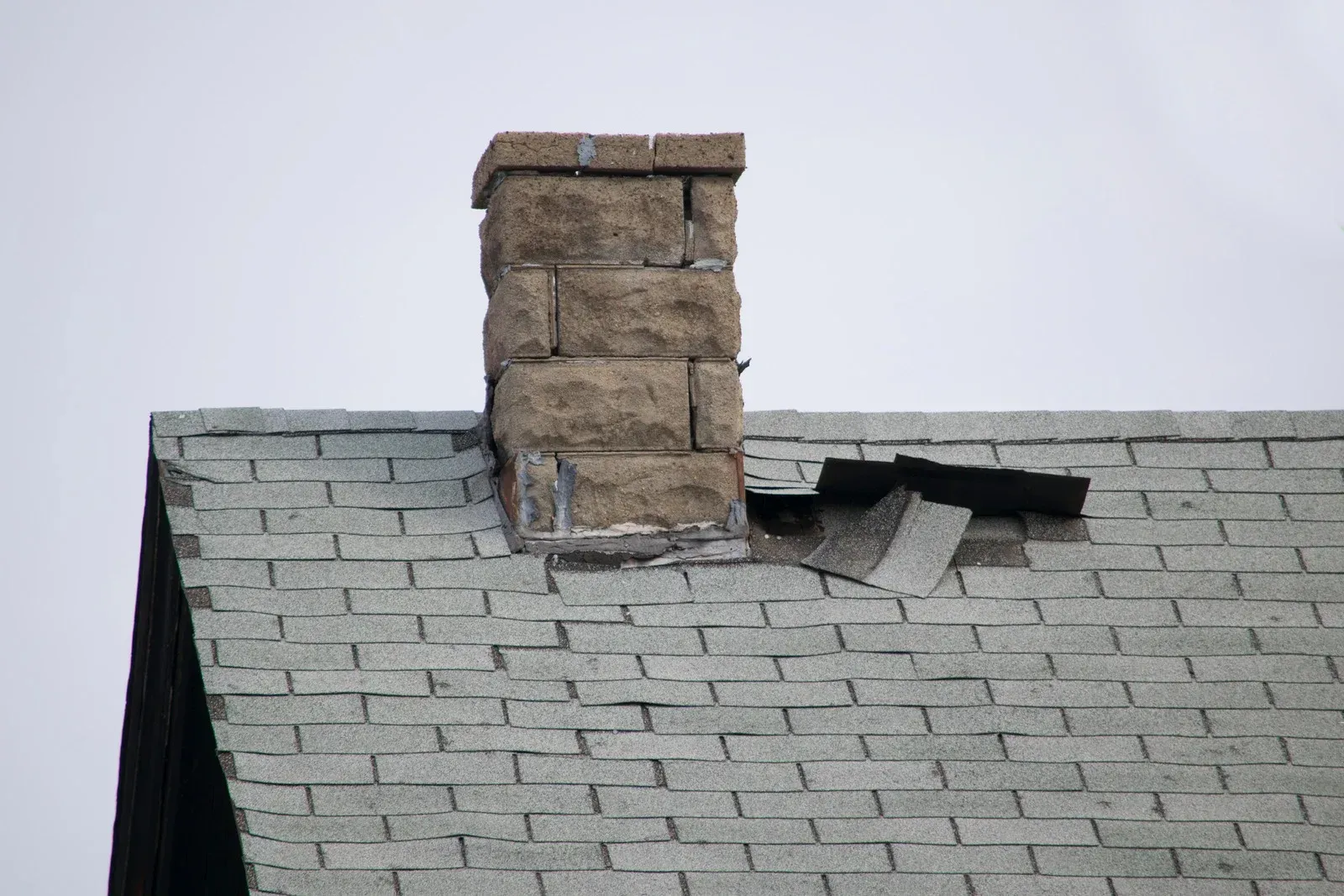
Even a well-matched roofing system needs upkeep to earn its keep in a climate this demanding. Clearing debris regularly matters more than people assume — leaves, pine needles, and branch litter trap moisture against the shingle surface and speed up granule loss and algae growth, especially in shaded corners of the roof. Flashing deserves attention too. Around chimneys, vents, and roof-to-wall transitions, flashing goes through more expansion and contraction cycles here than in milder climates, which makes it a common point of early failure if nobody checks it periodically.
The attic tells you more than the roof surface ever will. Discoloration on decking, a musty smell, or daylight visible at the eaves all signal that ventilation or a small leak needs attention before it turns into a bigger repair. And after any significant wind event, walk the roofline. Lifted tabs, exposed nail heads, or displaced ridge caps are cheapest and easiest to fix when caught right after the storm, not months later once water has had time to work its way in.
Frequently Asked Questions
Does a steeper roof pitch help with wind resistance?
Pitch affects how wind loads spread across a roof surface, but it's one factor among several. Fastening pattern, material choice, and deck condition usually matter more for overall wind performance than pitch alone.
How often should shingles be replaced here compared to a milder climate?
Materials tend to reach the lower end of their expected lifespan in this region rather than the upper end, simply because heat cycling and humidity exposure never really let up. Regular inspection tracks actual condition better than any general age estimate.
Is metal roofing noisier during heavy rain?
Not with proper solid decking and underlayment beneath the panels — sound transmission ends up comparable to other roofing materials. Noise complaints usually trace back to older open-batten installations, not modern systems installed over a solid deck.
Can algae streaking be prevented on asphalt shingles?
Several major manufacturers now offer algae-resistant shingle lines with embedded copper or zinc granules that slow the growth. Worth asking about, given how consistently humid this region stays year-round.
Making the Decision for Your Home
There isn't one right answer for every home in Southeast Louisiana, since roof orientation, existing structure, shade coverage, and personal taste all factor into it. What holds true across every option is that heat resistance, wind performance, and moisture management need to be weighed together, not one at a time — and the installation quality behind whichever material you pick will decide whether it ever lives up to its rating.
If you're weighing your options for an upcoming
roof replacement
or new installation, Community Construction Services
can walk your property, talk through how each material performs under real Gulf Coast conditions, and help you land on a system built for the way this climate actually behaves. Based in Hammond, LA, the team brings 10
years of hands-on experience with the specific heat, humidity, and wind challenges homes face throughout this region. Reach out to schedule a roof evaluation and get a plan built around your home.